Know the pests that live in your area. Learn what they look like, where they hide, and how to keep them out.

Dark, undisturbed areas in Sumner County homes — closets, attics, basements, crawl spaces, cardboard boxes, under rocks and logs. Older homes in Gallatin and Portland are particularly prone due to construction styles with more hiding spots.
Their bite can cause a serious wound that destroys skin tissue. Seek medical attention immediately if bitten. Brown recluse bites are one of the most common spider-related ER visits in the Sumner County area.

The most venomous spider in North America, and they’re well-established across Sumner County. Shiny black with a red hourglass marking on the belly. Rural areas around Westmoreland, Portland, and White House near barns and sheds see the highest numbers.
Wood piles, under rocks, garages, sheds, meter boxes, and under outdoor furniture throughout Sumner County. Builds messy webs near the ground. Common in outbuildings and barns in rural Sumner County.
Venom attacks the nervous system — causes severe muscle pain, cramping, and trouble breathing. Medical attention required. Generally only bites when threatened, but encounters are common in Sumner County garages and sheds.
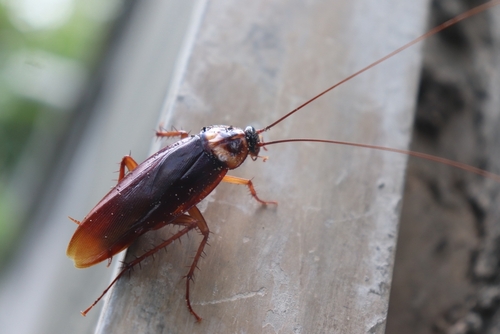
Warm, wet places — sewers, basements, crawl spaces, around plumbing. Enters Sumner County homes through drains, pipes, and gaps under doors. The aging sewer infrastructure in parts of Gallatin and Hendersonville gives them easy access indoors.
Carries Salmonella and E. coli. Droppings and molting trigger asthma in kids. Contaminates food and kitchen surfaces. The #1 indoor pest in Tennessee — and Sumner County’s humidity makes it even worse.
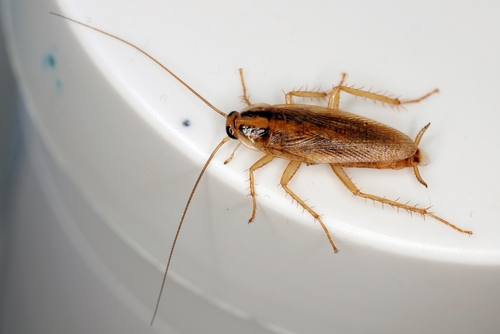
Kitchens and bathrooms in Sumner County homes — near dishwashers, stoves, fridges, and sinks. Hitchhikes in via grocery bags, boxes, and used furniture. Multi-unit housing in Gallatin and Hendersonville spreads them through shared plumbing.
Molting and droppings are a major cause of childhood asthma. Spreads bacteria across food and surfaces. Small problems become major infestations quickly. Lives exclusively indoors, so they’re a year-round problem in Sumner County — no winter break.

Wooded areas, thick brush, tall grass, along trails, and forest edges throughout Sumner County. Bledsoe Creek State Park, Old Hickory Lake trails, and the wooded properties around Castalian Springs and Bethpage are hot spots.
Can cause Alpha-gal Syndrome (red meat allergy) — and cases are increasing among Sumner County residents. Also spreads Ehrlichiosis and Heartland Virus. Anyone who spends time outdoors in Sumner County is at risk.

Forests with fallen leaves, wooded area edges, along deer trails across Sumner County. Young ones hide in damp leaf litter. The dense wooded corridors along creeks and around Old Hickory Lake are prime habitat.
Carries Lyme disease — starts with bull’s-eye rash, fever, fatigue. Untreated, can cause chronic joint, heart, and brain problems. With Sumner County’s growing deer population, tick encounters are becoming more frequent.
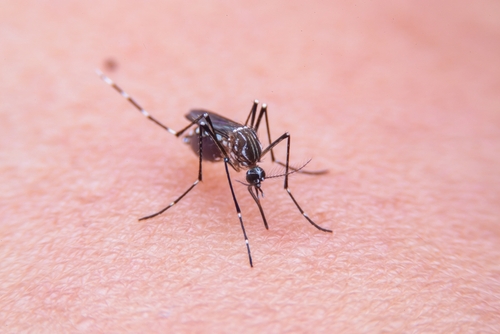
A serious health threat in Sumner County, not just a nuisance. Old Hickory Lake, the county’s many creeks, and surrounding farmland create ideal breeding habitat. West Nile Virus has been found in Sumner County mosquitoes.
Breed in any standing water — bird baths, clogged gutters, flower pot saucers, old tires, even bottle caps. Sumner County’s lake shoreline, creek corridors, and low-lying farm areas near Cottontown and Bethpage are major breeding zones.
Carry West Nile Virus, Eastern Equine Encephalitis, and Zika. Tennessee reports West Nile cases every year, and Sumner County’s waterways make it a higher-risk area. Most active at dawn and dusk.
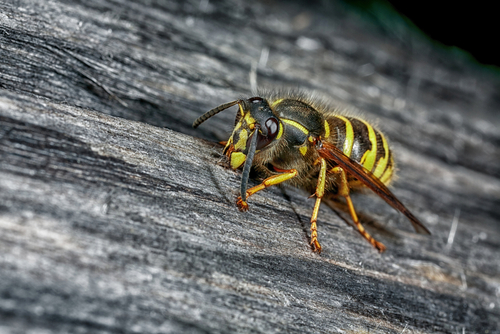
Underground nests in yards, flower beds, and along foundations across Sumner County. Also build nests inside wall voids, attics, and hollow trees. Lawn mowing accidents are a frequent cause of calls in the county.
Will chase and sting repeatedly when disturbed. A hidden ground nest can be hit by a lawnmower, triggering a mass attack. Cause most sting-related ER visits. Colonies peak in late summer with hundreds of workers — a serious hazard for Sumner County families.

On trees (especially maples and walnuts), grapevines, and fruit trees throughout Sumner County. Lays flat, mud-like egg masses on trees, rocks, and outdoor furniture. Check your trees, vehicles, and trailers before moving them.
Weakens and kills trees by sucking sap. Excretes sticky ‘honeydew’ that grows black mold. Threatens Sumner County’s trees, local vineyards, orchards, and forests. This is a brand-new threat to our area — every sighting matters.
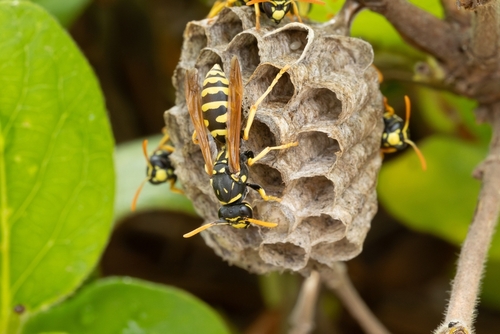
Build open, umbrella-shaped nests under eaves, porches, and deck railings. Very common across Sumner County — nests appear as early as April on porches and carports throughout Gallatin and Hendersonville. Semi-aggressive when their nest is disturbed.
Under eaves, porch ceilings, deck railings, window frames, attic vents, and playground equipment in Sumner County homes. Anywhere with a sheltered overhang. The county’s warm springs give them an early start each year.
Painful stings that can cause serious allergic reactions. Nests grow throughout summer and can house dozens of wasps near your doorways. In Sumner County, early spring nest checks can prevent larger colonies by summer.
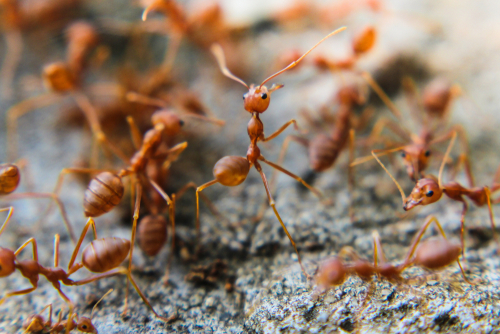
Open, sunny areas in Sumner County — lawns, parks, playgrounds, roadsides. Mounds appear after rain. Also nest in electrical boxes and AC units. School grounds and ballfields across the county frequently have active mounds.
Painful stings leave itchy pustules. Can cause severe allergic reactions. Attack in groups — dozens of stings at once. Kids and pets playing in Sumner County yards are at high risk, especially after spring rains when mounds multiply.

A year-round problem in Sumner County, but worst in fall and winter as mice seek shelter. Common in older homes in Gallatin, Portland, and Westmoreland. Can squeeze through a hole the size of a dime. One pair produces 60+ babies per year.
Inside walls, attics, basements, behind appliances, under cabinets in Sumner County homes. Build nests from insulation, fabric, and shredded paper. Rural properties and homes near farm fields in Portland and Westmoreland see the heaviest activity.
Carry Hantavirus and Salmonella. Droppings trigger asthma. Chew on electrical wires — a fire hazard in Sumner County’s older homes. Contaminate food storage areas. Problems escalate fast once they’re inside.

Burrows along foundations, under concrete, in crawl spaces and sewers across Sumner County. Inside basements and ground floors near water sources. The county’s mix of older commercial buildings and rural properties provides plenty of habitat.
Carry Leptospirosis and Rat-Bite Fever. Chew through wires, PVC pipes, even concrete. Cause expensive damage and fire hazards in Sumner County homes and businesses. Need daily water, so they’re drawn to properties near creeks and lakes.
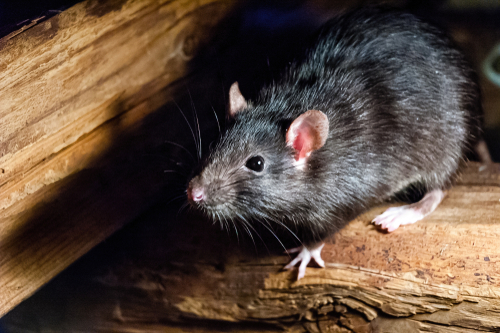
Agile climbers that prefer elevated nesting sites — attics, roof lines, and upper stories of buildings. Slimmer and more acrobatic than Norway rats with a tail longer than their body. Present in the Sumner County area and increasingly reported in residential neighborhoods.
Attics, roof voids, upper wall cavities, and dense tree canopies across Sumner County. Travel along power lines, fence tops, and tree branches to access roofs. Properties with fruit trees, bird feeders, or heavy ivy are especially attractive to them.
Carry diseases including Leptospirosis and Salmonella. Gnaw through wiring, insulation, and PVC pipes in attic spaces — creating fire and water damage risks. Their overhead nesting habit means damage often goes unnoticed until it’s severe.
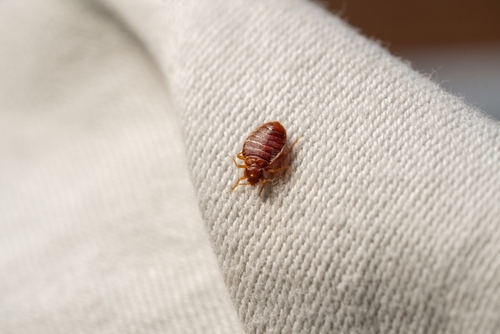
Mattress seams, box springs, bed frames, headboards, behind baseboards, furniture cracks, behind picture frames, electrical outlets. They hitchhike into Sumner County homes via luggage, used furniture, and visitors.
Bites cause itchy welts. Cause serious stress and sleep loss. Extremely hard to eliminate without professional treatment. Sumner County’s growing tourism and proximity to Nashville mean bed bug cases continue to rise.

The most common ants in Tennessee. Small, dark brown ants that emit a rotten coconut smell when crushed. They move their colonies every few weeks, making them difficult to eliminate without professional help. Extremely persistent invaders of Sumner County homes.
Inside wall voids, under floors, near water heaters, and around leaky pipes in Sumner County homes. Outside under mulch, stones, and debris. They trail along foundations, countertops, and baseboards — especially in kitchens and bathrooms.
Contaminate food and surfaces. Their habit of relocating colonies every few weeks makes DIY treatments ineffective — you treat one spot and they simply move to another. Large colonies can have multiple queens, making them one of the hardest ants to fully eliminate.

Trailing along sidewalks, foundations, and tree trunks across Sumner County. Nest in moist soil under rocks, mulch, and debris. Enter homes through the smallest cracks, especially during dry or hot weather when they seek water indoors.
Their supercolony structure means killing a few ants does nothing — colonies can contain millions of workers. They displace beneficial native ants, protect plant-damaging aphids for their honeydew, and contaminate food. Infestations scale quickly in Sumner County’s mild climate.
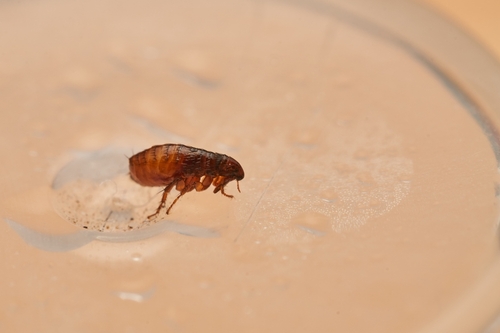
Active late spring through early fall in Sumner County. Local wildlife — deer, raccoons, opossums — constantly brings new fleas into neighborhoods. A single female lays 50 eggs per day, and they can survive year-round in heated homes.
On pets, in carpet fibers, pet beds, furniture cushions, and cracks in hardwood floors. Outside in shady, moist areas of Sumner County yards. The county’s abundant wildlife keeps flea populations constantly replenished in residential areas.
Cause intense itching and rashes. Can give pets tapeworms. Heavy infestations cause anemia in small or young animals. Sumner County’s warm, humid summers let flea populations explode between June and September.

One of the most common spiders in Sumner County. Big, hairy, and fast — but mostly harmless. Doesn’t build webs. Chases prey on the ground like a tiny wolf. Wooded areas near Old Hickory Lake are full of them. Comes indoors in fall seeking warmth.
On the ground in leaf piles, under rocks, along baseboards in Sumner County homes. In fall, they move into closets, garages, and basements. Properties with wooded lots and heavy leaf cover across the county see the most.
Bite is similar to a bee sting — not medically serious. More scary than harmful. In Sumner County, they’re mainly a fall nuisance as they move indoors when temperatures drop.

In fall, gathers by the hundreds on south-facing walls of Sumner County homes. Hides in wall voids, attics, behind curtains all winter. On fruit trees and gardens in summer. The county’s warm fall days and cold nights trigger swarming behavior.
Major nuisance — nobody wants hundreds of stinky bugs inside. Poop stains walls and curtains. Damages garden and farm crops. Releases a terrible smell when crushed or scared.
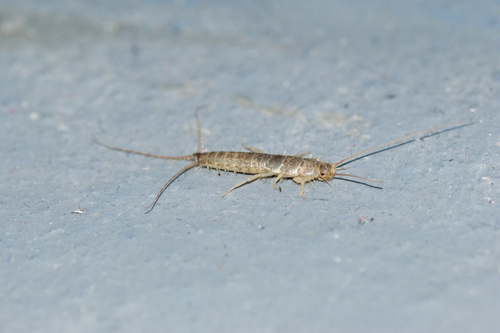
Small, silvery-gray insects shaped like a teardrop with three tail threads. Love Sumner County’s humid climate. Older homes in Gallatin and Hendersonville with basements are prime territory. Move in a wiggling, fish-like motion.
Dark, damp spots in Sumner County homes — bathrooms, basements, attics, under sinks, laundry rooms. Eat paper, book covers, wallpaper, fabric, and dry food. The county’s humidity gives them the moisture they need year-round.
Ruin books, documents, photos, wallpaper, and stored clothes. Can contaminate pantry food. Not a health threat, but a persistent nuisance in humid Sumner County homes without good moisture control.
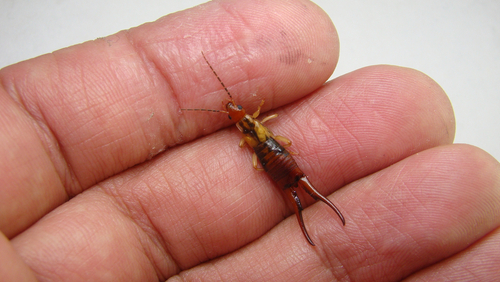
Under mulch, rocks, and leaf piles in Sumner County yards. Enter homes through ground-level cracks into bathrooms, laundry rooms, and kitchens. The county’s landscaped subdivisions with bark mulch beds are prime earwig territory.
Not dangerous — pincers rarely break skin. Minor garden damage to seedlings and flowers. Just creepy-looking. In Sumner County, they’re mainly a summer nuisance that follows mulch and moisture indoors.
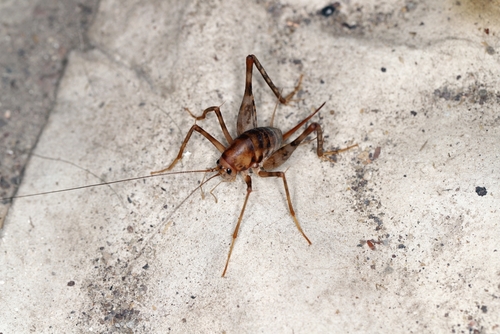
Very common in Sumner County basements. Look like a spider-cricket hybrid — humped back, long legs, no wings. Can’t chirp. Rocky terrain and creek corridors provide natural habitat. Jump high and far when startled, which scares people. Move indoors in fall.
Basements, crawl spaces, garages, under porches across Sumner County. Love cool, damp, dark places. The county’s rocky limestone terrain and creek corridors give them plenty of natural habitat right next to homes.
Harmless — no biting, stinging, or diseases. May chew stored fabric, paper, and cardboard. Mostly just startling. Fall invasions are regular in Sumner County as temperatures drop.

Damp, dark areas in Sumner County homes — basements, bathrooms, crawl spaces, closets. If you see lots of them, you probably have other bugs they’re feeding on. Properties near the county’s waterways tend to see them most.
Can bite if handled (rare, mild sting). Lots of centipedes usually means a bigger pest problem — they follow their food. In Sumner County, they’re an indicator that other pests may be present in your home.
Extermi-NATE serves all of Sumner County, Monday through Friday. Request a free quote or explore our services to learn how we treat every pest on this list.
Sumner County owned and operated pest control. Not a franchise. Not a call center. Just Nate — a decade of experience protecting homes in Hendersonville, Gallatin, and across Sumner County, Tennessee.