Ants in Your Home? You’re Not Alone.
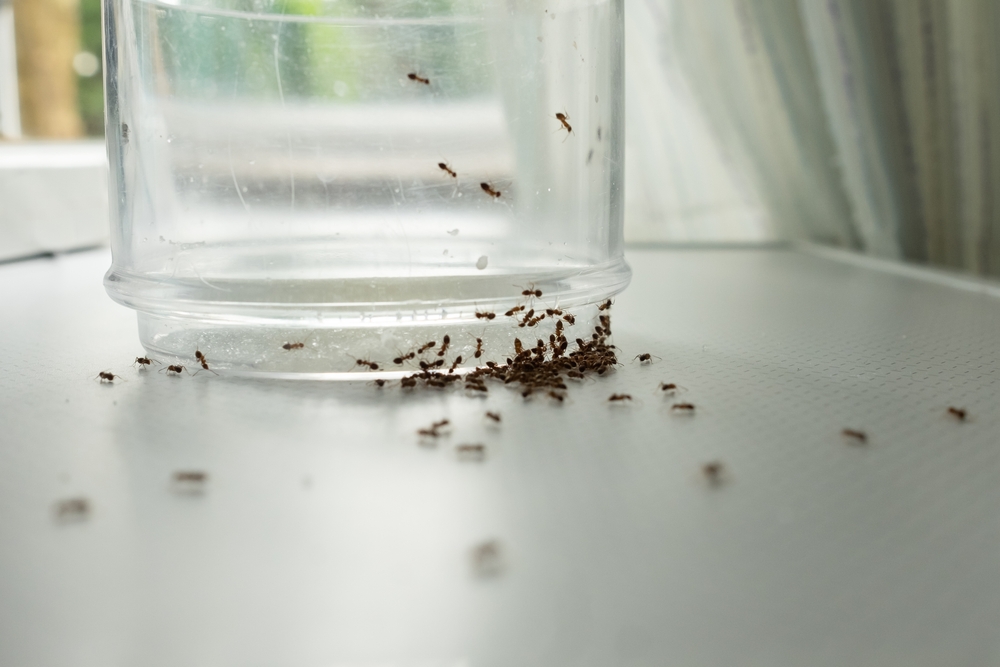
Few pests are as frustrating as ants. One day you notice a few crawling across the kitchen counter, and the next, there’s an entire trail leading to your pantry. Ant infestations are one of the most common pest problems for homeowners throughout Sumner County, Tennessee, especially during the warmer months.
While it may seem like a minor annoyance, ants can quickly establish large colonies that are difficult to eliminate without addressing the source of the problem. Understanding why ants invade your home is the first step toward keeping them out for good.
Why Are Ants Invading My Home?
Ants are constantly searching for three basic necessities:
- Food
- Water
- Shelter
Even tiny crumbs, pet food, sugary drinks, or moisture from a leaking pipe can attract scout ants. Once a scout finds a reliable food source, it leaves behind a chemical trail that guides the rest of the colony directly into your home.
That’s why you may only see a handful of ants at first, only to discover dozens or even hundreds within a day or two.
Common Ant Species Found in Middle Tennessee
Several ant species are commonly found around homes in Sumner County, including:
Odorous House Ants
These small brown or black ants are notorious for invading kitchens. When crushed, they give off a distinctive odor, which is how they earned their name.
Pavement Ants
Often found around sidewalks, driveways, patios, and foundations, pavement ants can easily find their way indoors in search of food.
Carpenter Ants
Unlike termites, carpenter ants don’t eat wood—but they excavate it to build nests. Over time, they can cause damage to damp or decaying wood around your home.
Fire Ants
Although more common in southern Tennessee, fire ants are becoming increasingly common in parts of Middle Tennessee. Their painful stings make them a concern for families with children and pets.
Signs You May Have an Ant Infestation
Keep an eye out for these common warning signs:
- Trails of ants leading to food sources
- Small piles of dirt or sawdust near walls or wood structures
- Ants appearing around sinks, bathrooms, or kitchens
- Winged ants inside your home, especially during spring
- Ant mounds in your yard or landscaping
The sooner an infestation is addressed, the easier it is to control.
How to Prevent Ants Around Your Home
While no home is completely immune, these simple steps can make your property less attractive to ants:
Keep Your Kitchen Clean
Wipe down countertops regularly, sweep up crumbs, and store food in sealed containers.
Seal Entry Points
Inspect doors, windows, utility lines, and foundation cracks where ants may be entering.
Eliminate Moisture
Repair leaking faucets, pipes, and outdoor spigots. Standing water and excess moisture attract many types of ants.
Trim Landscaping
Branches, shrubs, and mulch placed directly against your home can create easy access points for ants.
Manage Outdoor Food Sources
Clean grills, keep garbage cans tightly sealed, and avoid leaving pet food outside for long periods.
Why Store-Bought Ant Sprays Often Don’t Work
Many homeowners reach for a can of ant spray as soon as they notice a trail. While this may kill the ants you can see, it rarely solves the real problem.
Most ant colonies contain thousands of workers hidden underground, inside walls, or beneath concrete. Killing a few visible ants leaves the queen and the rest of the colony untouched, allowing the infestation to continue.
Professional ant control focuses on eliminating the colony—not just the ants that happen to be crawling across your floor.
Professional Ant Control from Extermi-Nate
At Extermi-Nate, we understand the pest challenges homeowners face throughout Gallatin, Hendersonville, Portland, White House, and the surrounding Sumner County communities.
Our professional ant control services include:
- Thorough property inspections
- Identification of ant species
- Targeted treatments for active colonies
- Exterior barrier applications
- Recommendations to help prevent future infestations
Our goal is to eliminate the source of the problem and help keep your home protected year-round.
Protect Your Home from Ants This Season
Ants rarely disappear on their own, and waiting often gives the colony more time to grow. If you’ve noticed recurring ant trails or are dealing with a persistent infestation, professional treatment can help restore your peace of mind.
Contact Extermi-Nate today to schedule an inspection and learn more about our residential pest control services throughout Sumner County, Tennessee.
Frequently Asked Questions About Ants
What time of year are ants most active in Tennessee?
Ant activity typically increases in the spring and continues through the summer as colonies expand and search for food.
Are carpenter ants dangerous?
Carpenter ants don’t spread disease, but they can damage wood by tunneling through it to create nesting galleries.
Can ants come back after treatment?
If the colony isn’t eliminated or new colonies move into the area, ants can return. Ongoing pest control and preventative maintenance help reduce the risk of future infestations.
Should I use ant bait or ant spray?
While bait can sometimes be more effective than spray, the best solution depends on the ant species and the size of the infestation. A professional inspection can identify the most effective treatment plan.